Explore Winston top Landscaping Services for beautiful outdoor spaces created by experienced landscaping professionals
Explore Winston top Landscaping Services for beautiful outdoor spaces created by experienced landscaping professionals
Blog Article
Enhance Your Outdoors: Essential Landscaping Services for Every Property
Transforming an exterior area requires various landscape solutions customized to satisfy specific property needs. From design to implementation, each step serves as a crucial role in achieving a cohesive look. Regular maintenance ensures that landscapes stay vibrant, while seasonal updates can improve their appeal year-round. Understanding the importance of choosing plants and hardscape features is important. However, knowing where to start can be challenging. What are the essential offerings every property owner should consider?
Everything You Should Learn About Landscape Design
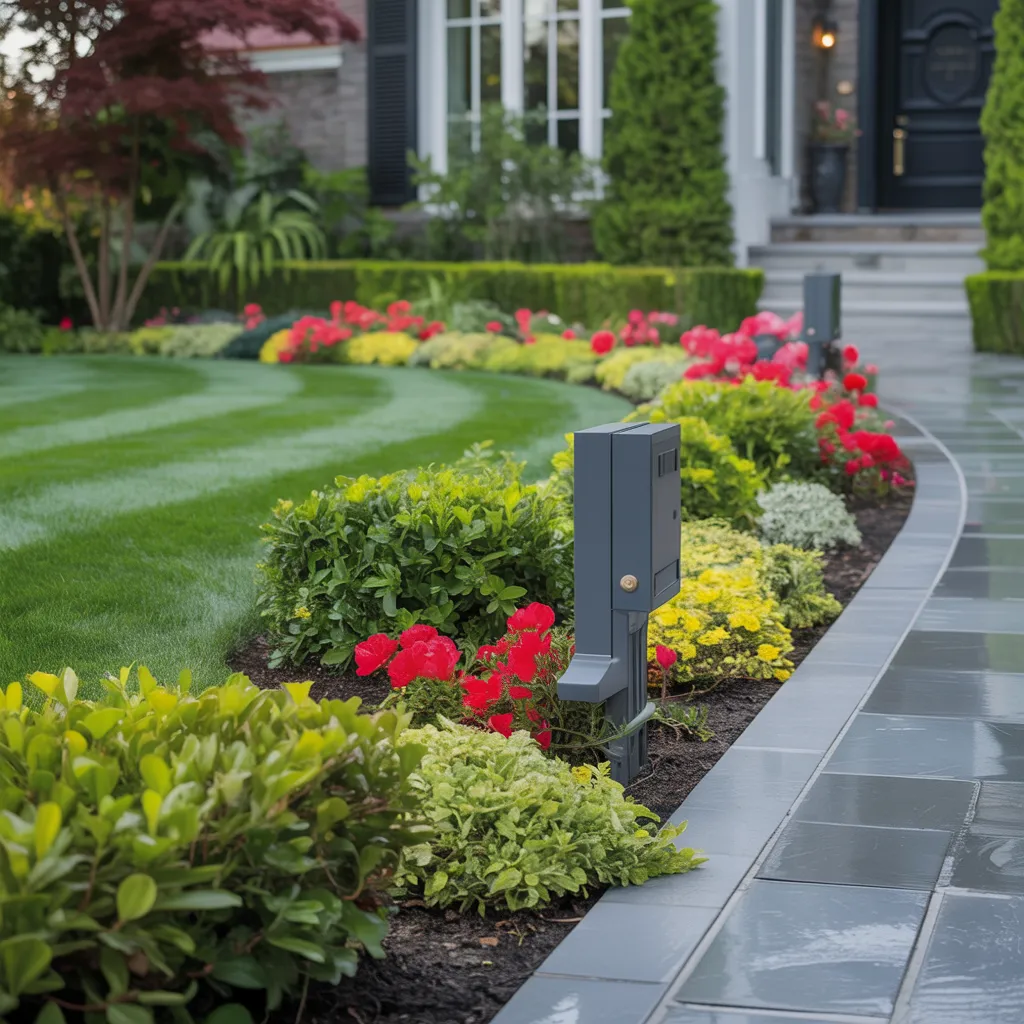
When contemplating landscaping design, one must comprehend that it encompasses more than just planting flowers and laying sod. Effective landscaping merges various elements, including hardscapes, plant selection, and environmental considerations.
A deliberately crafted scheme synchronizes with the original architecture and surrounding nature, building an aesthetically pleasing and efficient outdoor setting.
Grasping the regional conditions and soil composition is essential, as these factors impact plant health and longevity. Additionally, incorporating environmentally responsible techniques, such as native plants and efficient irrigation systems, can enhance the ecological balance while reducing maintenance needs.
Additionally, considering seasonal fluctuations and the growth patterns of plants ensures that the landscape remains its appeal year-round.
A successful design also takes into account the intended use of the space, whether for rest, entertainment, or cultivation. Overall, a comprehensive approach to landscaping design can enhance a home's beauty and functionality significantly.
Landscape Design Preparation
Arranging an exterior setting relies on precise landscape design planning, an indispensable step that creates the foundation for accomplished completion. The system includes examining the property's unique characteristics, including soil type, sunlight exposure, and existing vegetation.
Professionals commonly connect with clients to comprehend their vision and preferences, establishing a thorough plan that includes elements such as plant selection, layout, and irrigation systems. Meticulous planning ensures that every component harmonizes with the overall aesthetic and functional goals of the space.
It also considers possible obstacles, such as drainage problems or maintenance requirements. Ultimately, well-executed landscape design not only enhances the beauty of outdoor areas but also maximizes their usability and sustainability, guaranteeing a thriving environment for years to come.
Hard Landscaping Features Implementation
After the garden design planning phase, attention turns to hardscape installation, which proves essential for enhancing outdoor spaces.
This procedure includes the placement of non-plant features such as patios, walkways, retaining walls, and decorative stonework. Each element is carefully selected to complement the overall design, offering both functionality and aesthetic appeal.
Durable materials like concrete, pavers, and natural stone are commonly used to guarantee longevity and minimal maintenance. Proper installation techniques are essential to prevent issues such as drainage problems or structural instability.
Create an watering system using these key steps to maintain efficient water coverage in your landscape.
A carefully designed irrigation system is critical for sustaining vibrant landscapes and ensuring efficient water allocation across any property. This framework requires methodical planning and installation to fulfill the individual requirements of assorted vegetation and soil types.
Experienced landscape experts inspect the property's layout, establishing ideal placement for sprinklers, drip lines, and controllers. They weigh factors such as water pressure, sun exposure, and seasonal weather patterns to formulate a customized system.
Moreover, smart irrigation technology can be incorporated to streamline watering schedules, reducing waste and promoting healthy growth. Regular maintenance ensures the system operates effectively, preventing leaks and clogs.
Ultimately, a correctly set up irrigation system improves the aesthetic appeal of exterior areas while preserving valuable water resources.
Why Outdoor Grounds Services Call for Ongoing Care?
While many homeowners appreciate the visual beauty of properly maintained landscaping, the significance of consistent upkeep often becomes evident over time. Neglecting these tasks can lead to overgrown plants, unwanted weeds, and deteriorating structures, which compromise the overall beauty and functionality of outdoor spaces.
Regular maintenance ensures that plants remain robust, lively, and properly pruned, while also tackling potential insect problems before they worsen.
Additionally, consistent upkeep of hardscaping elements, such as patios and walkways, prevents wear and tear, extending their lifespan. A well-kept landscape not just boosts curb appeal but also contributes to property value.
Furthermore, periodic maintenance can boost irrigation systems, guaranteeing responsible water management and encouraging a environmentally conscious world.
Basically, the commitment to ongoing landscape care is crucial for sustaining the appeal and condition of outdoor spaces, making them attractive for years to come.
Seasonal Refreshes to Refresh Your Outdoor Area
Revitalizing an outdoor area with seasonal updates can greatly enhance its appeal and functionality. As the seasons change, so do the opportunities for transformation.
When spring comes, fresh mulch and vibrant flower beds can enliven a space, creating a pleasant atmosphere. Summer might demand the augmentation of outdoor furniture and shadowy locales, perfect for gatherings.
Autumn gives a chance to include seasonal decorations, such as pumpkins and colorful foliage, while winter can be celebrated with evergreen arrangements and festive lighting. Each season offers unique elements that can revitalize the landscape, making it a dynamic extension of the home.
Furthermore, seasonal updates can include upkeep responsibilities such as trimming, fertilizing, and soil aeration, ensuring the yard stays healthy throughout the year.
Native Plant Benefits
Using local flora in landscaping not only boosts the visual appeal of a property but also fosters ecological balance within the local environment.
Native plants are suited for the local environmental conditions and ecosystem, making them simpler to care for and more resilient to pests and diseases. They need less water and fertilizer compared to non-native species, decreasing resource consumption and environmental impact.
Additionally, indigenous flora bolster local ecosystems by delivering habitats and food sources for native wildlife, including birds and pollinators.
By including these plants, property owners can develop sustainable landscapes that flourish on their own, while also fostering biodiversity.
Choosing Time-of-Year Plants
How might homeowners ensure their landscaping flourishes throughout the year? Choosing plants seasonally is essential. By selecting plants that thrive in their specific climate, owners can design vibrant landscapes that evolve with the seasons.
In cold climates, perennial flowers like coneflowers and sedum bring color in spring and summer, while evergreens establish winter interest. Conversely, warmer climates take advantage of heat-resistant plants, such as lantana and succulents, which tolerate dry spells.
Furthermore, grasping local freeze schedules and precipitation trends is essential for scheduling plantings effectively. Property owners should also factor in indigenous plants, as they naturally adapt in local conditions, demanding less care and watering.
Careful year-round plant selection guarantees a thriving outdoor space year-round, boosting property appeal.
Installing Hardscaping: Pathways and Patios Made Hassle-free
Hardscaping features like pathways and patios can transform any outdoor space into a practical and visually attractive environment. These elements furnish structure and organization, guiding foot traffic while improving visual appeal.
Pathways can be constructed from multiple materials, including natural stone, brick, or concrete, each offering unique textures and colors that complement the landscape.
Patios function as adaptable outdoor living spaces, perfect for relaxation or entertaining guests. They can be created to fit any size property and can feature seating walls, fire pits, or integrated lighting.
When designing pathways and patios, it is crucial to take into account the overall layout, ensuring that these paved features complement existing plantings and structures. Correct construction methods and drainage solutions are vital for durability and longevity.
In the end, adding hardscaping can improve the outdoor environment, making it appealing and memorable.
Budgeting Your Landscaping Project
Upon enhancing a property with hardscape installations such as pathways and patios, the following step calls for thoughtful financial planning for the landscape undertaking. Financial management proves indispensable to ensure the project stays economically feasible while satisfying aesthetic goals.
Property owners should begin by evaluating their overall spending plan, factoring in both hard landscaping and softscaping elements.
Following this, a thorough breakdown of expenditures, covering resources, labor, and potential certifications, is essential. It's prudent to reserve an supplementary 10-15% for surprise costs that might surface during the project.
Furthermore, sorting elements based on true needs versus preferences can facilitate making informed decisions. Working with landscaping professionals can deliver worthwhile perspective into economical strategies and reasonable targets.
Ultimately, a properly structured budget not only facilitates more efficient project execution but also helps establish a balanced, harmonious outdoor space that adds enduring value to the property.
Frequently Inquired Questions
How Can I Select the Ideal Landscaping Contractor?
Selecting an appropriate lawn care professional requires researching credentials, reading reviews, evaluating past work, and getting several estimates. Strong dialogue and a solid comprehension of desired outcomes ensure a successful partnership for attaining wanted landscape changes.
What Licenses Are Required for Landscaping Projects?
Permits for landscaping projects typically include zoning permits, structural permits for structures, and environmental approvals for tree cutting or drainage adjustments. Local regulations may vary, so consulting the municipal authority is vital for regulatory adherence.
In What Ways Can I Raise My Property's Value Using Landscape Services?
Enhancing a property's value material through landscaping involves incorporating regional vegetation, building functional outdoor spaces, incorporating hardscaping elements, and maintaining a well-groomed exterior. These improvements entice prospective clients and elevate property marketability.
What Green Outdoor Space Alternatives Are Available?
Eco-friendly landscaping options comprise native plant gardens, xeriscaping, rain gardens, permeable paving, and organic gardening practices. These strategies reduce water consumption, minimize upkeep, enhance biodiversity, and support environmental sustainability, ultimately improving both property value and the environment.
What's the Best Way to Care for Your Outdoor Spaces in Harsh Weather Conditions?
Observing your outdoor spaces consistently during extreme weather requires appropriate watering practices, mulching to retain soil moisture, protective coverings for plants, and strategic pruning to enhance resilience against wind or heavy rain. Adaptation is key for survival.
Report this page